Offshore quotes win on the unit-price line and lose in the lines nobody prints on the quote. Landed cost — what a delivered, usable unit actually costs your P&L — adds ocean freight, duties, the working capital buried in weeks of floating inventory, and the write-offs when demand shifts before the container lands. For packaging, a product that is bulky, light and constantly re-ordered, those hidden lines are routinely decisive.
The six lines that decide it
Compare suppliers on the full stack, not the first line:
- Freight: cross-border trucking from Tijuana in days versus transpacific ocean plus drayage in weeks.
- Duty and tariff exposure: IMMEX + USMCA-qualifying goods enter duty-free; offshore programs carry tariff-schedule risk that can reprice a program overnight.
- Inventory carry: weeks on the water means months of demand locked into POs; nearshore replenishment cycles cut safety stock.
- Lead time and revisions: art changes, size splits and reorders turn in production days, not booking windows.
- Oversight: a plant you can drive to before lunch versus a 14-hour flight and a translator.
- Flexibility: lower minimums and mixed-SKU runs — order what sells, not what fills a container.
Where nearshore genuinely doesn't win
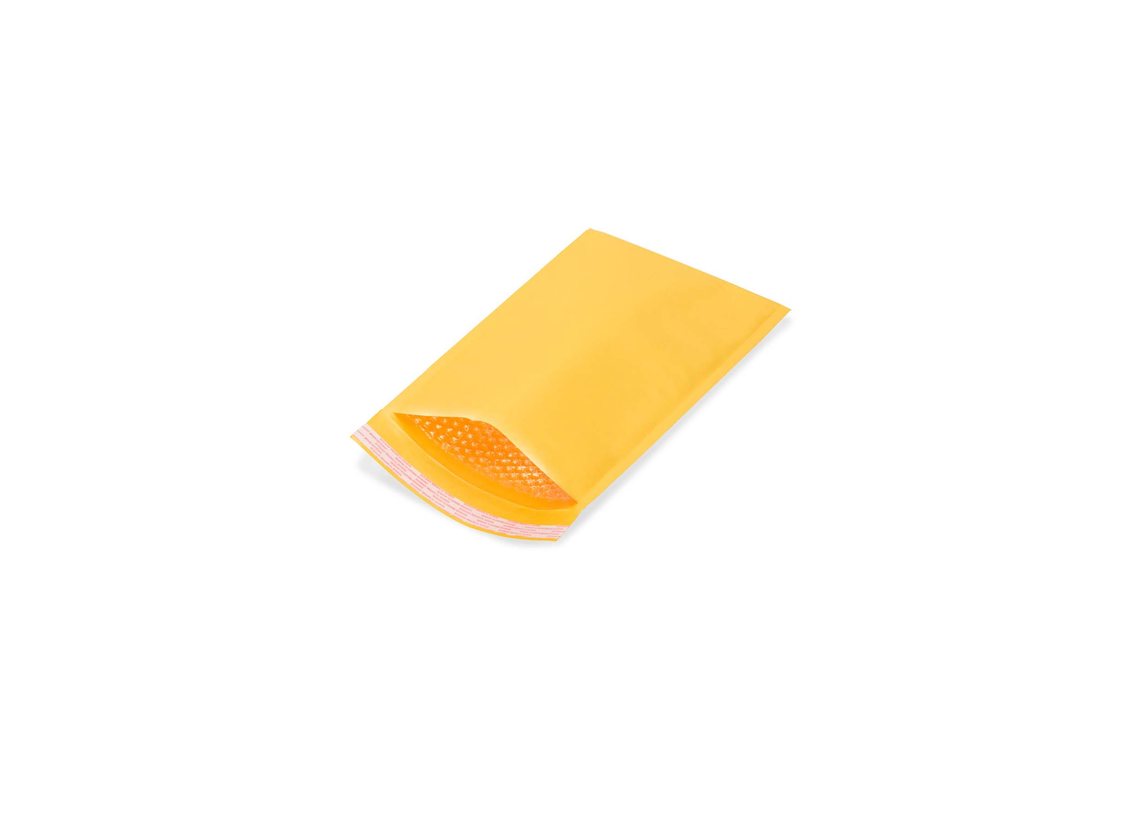
Honesty builds better supply chains: extremely labor-dense products with stable, enormous volumes and no revision risk can still favor offshore economics. The pattern we see is a split book — commodity, never-changing SKUs stay offshore while fast-moving, printed, compliance-sensitive or fragile-timeline packaging moves to the border. Run the math per SKU; our team quotes bubble mailers from our Tijuana line, and our sister plant Synergy Packaging quotes poly mailers, so a mixed program lands in one logistics chain.
Quick answers
What is landed cost?
The full cost of a delivered unit: factory price plus freight, duties and fees, insurance, and the carrying cost of inventory in transit and in stock.
Is Mexico automatically duty-free under USMCA?
No — goods must meet USMCA rules of origin. Packaging manufactured in Mexico from qualifying inputs generally can qualify; that's part of program design, and it's work we handle under IMMEX.
What's a realistic reorder lead time from Tijuana?
Stock items ship within about 5 business days; custom runs typically take 2–3 weeks plus overland transit measured in days.